





Blog
Solar Pumps Changing Lives of Farmers

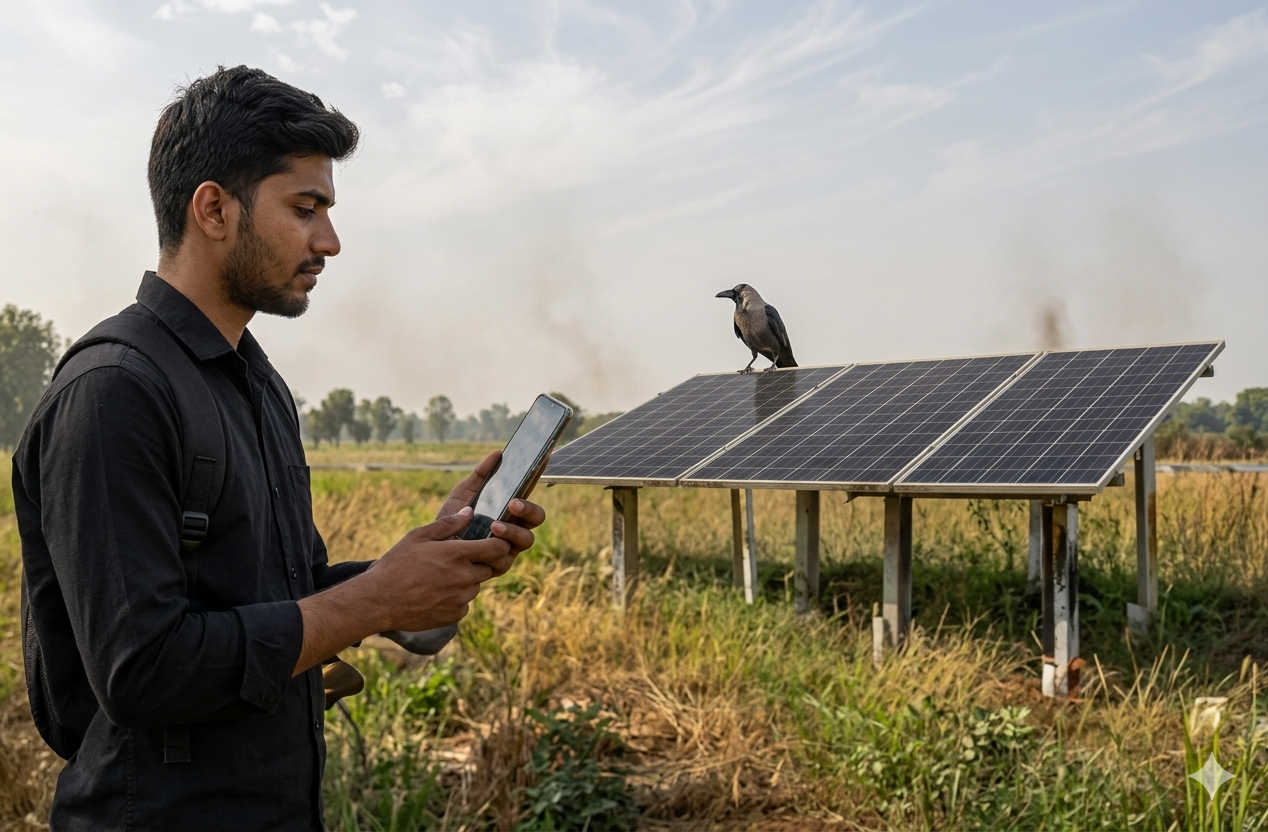
For decades, the rhythm of rural farming has been dictated by two unpredictable forces: the weather and the energy grid. Farmers have long faced a brutal dilemma—spend a small fortune on fluctuating diesel costs, or stay up until the middle of the night waiting for the erratic, low-voltage electricity grid to kick on just to irrigate their crops.
But a quiet, brilliant revolution is taking place across global farmlands. By trading fossil fuels for sunlight, solar water pumps are rewriting the agricultural narrative, offering farmers energy independence, higher yields, and financial security.
2. From Midnight Irrigation to Daytime Freedom
Before solar technology, irrigating a field was an exhausting, sleep-deprived chore. Because rural electricity grids often only provide power during off-peak night hours, farmers were forced to walk out into dark, muddy fields at 2:00 AM to switch on their traditional pumps.
3. Boosting Crop Yields and Diversification
When a farmer controls their water supply, they control their destiny. Reliable, year-round irrigation means crops no longer fail due to a weak monsoon or a sudden power outage.
With dependable water access, farmers are breaking free from a single annual harvest. Many are transitioning to high-value cash crops—such as tomatoes, cauliflowers, radishes, and eggplants—which require consistent watering but yield vastly higher profits in local markets.
4. A Massive Win for the Environment
Beyond the individual farm, the collective environmental impact of “de-dieselizing” agriculture is staggering:
Lower Carbon Footprints: Traditional agriculture is a heavy emitter of greenhouse gases. Replacing diesel pumps with solar variants drastically cuts down localized air and noise pollution, pushing nations closer to their Net Zero climate targets.
Smart Water Integration: When solar pumps are paired with precision systems like drip or sprinkler irrigation, they maximize every single drop of water, actively preventing the wasteful over-flooding of fields.