





Blog
Why Men Leave: Stories of Migration

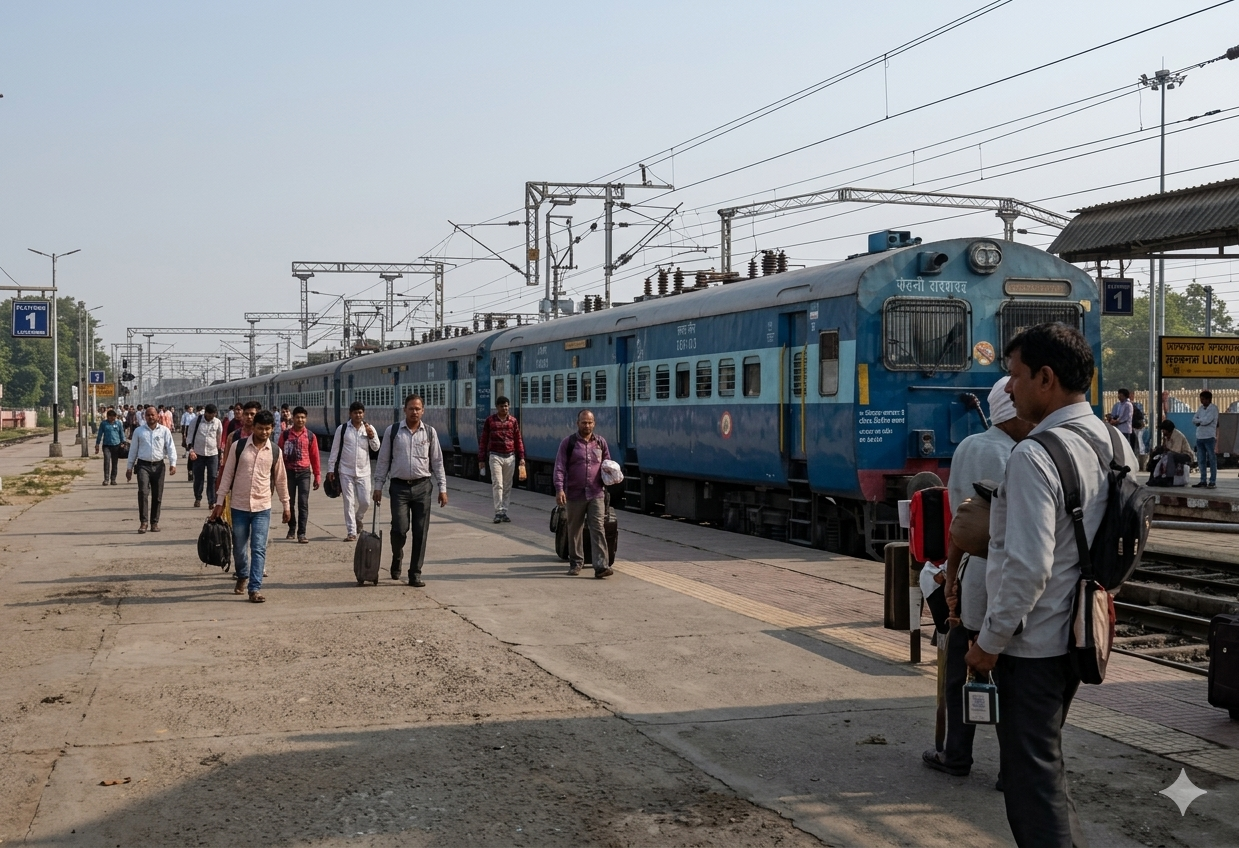
If you walk through the rural villages of the Terai region during the planting or harvest seasons, you will notice a striking demographic shift. The fields are filled with people working, but the faces are almost exclusively those of women, children, and the elderly.
The young and middle-aged men are missing.
They haven’t vanished by choice. They are part of a massive, quiet exodus that has seen hundreds of thousands of men leave their ancestral homes in the plains to seek employment in far-off metropolitan hubs or overseas in the Gulf nations and Southeast Asia.
Behind the sterile statistics of economic migration lie deeply personal, human stories. This is a look at the driving forces behind why men leave, and the profound impact this departure leaves on the families bound to the land.
1. When the Land Stops Giving Back
For generations, farming wasn’t just a job in the Terai—it was an identity. But a volatile cocktail of climate change and environmental degradation has fractured that reality.
-
The Groundwater Lottery: As groundwater tables plummet, traditional shallow wells are running dry. Farmers can no longer rely on predictable water cycles to irrigate their crops, turning farming into a high-stakes financial gamble.
-
The Silt and Sand Invasions: Recurrent flash floods, exacerbated by deforestation and mining in the upstream Chure hills, no longer deposit fertile soil. Instead, they leave behind thick blankets of coarse sand that can sterilize a farm for years.
-
The Debt Trap: When a harvest fails due to drought or a sudden flood, the money invested in seeds, fertilizers, and tractor rentals vanishes. With no formal crop insurance to catch them, men are forced to look outward just to pay off high-interest local moneylenders.
-
2. The Weight of Expectations: The Breadwinner Narrative
In many rural societies, a man’s worth is deeply tied to his ability to provide financial stability and security for his family. When localized environmental changes eliminate agricultural opportunities, staying behind is often viewed as a failure of duty.
Migration becomes a rite of passage born out of desperation. Young men leave not out of a desire for adventure, but because sending home a predictable monthly remittance is the only guaranteed way to secure a few vital necessities:
-
Providing a private education for their children.
-
Covering the escalating medical bills of aging parents.
-
Upgrading mud-and-thatch homes into flood-resilient brick structures.
-